
HARWELL LAB
Developmental origins of neural circuit assembly

HARWELL LAB
Developmental origins of neural circuit assembly
RESEARCH
Developmental diversity of spatial and temporal lineages in the septum
Septal nuclei in the basal forebrain have critical roles in regulating emotional and motivational states. The septum is composed of a diverse array of GABAergic, cholinergic and glutamatergic projection neurons. We know very little about the specific functions the diverse groups septal neuron types and even less about the developmental mechanisms that create this diversity. Our research is geared toward understanding the molecular programs involved in specifying these distinct projection neuron subgroups, and how their circuitry and functional properties regulates innate behaviors.
Neuron-glia crosstalk during neural circuit assembly
The nervous system is comprised of two main cell types, neurons and glia. Neurons connected through chemical and electrical synapses form complex networks in the brain. Glial cells have a broad range of functions that influence the formation and activity of neuronal networks. Astrocytes are the most numerous and diverse glial cell in the mammalian brain. They have crucial roles in regulation synapse formation and pruning. The mechanism by which astrocytes and neurons communicate and coordinate with is not well understood. We are interested in uncovering the secreted signals that neurons and astrocytes use to communicate, and the specific ‘messages’ encoded by those factors.
Genetic and epigenetic regulation of neural cell fate specification
Radial glial cells serve as the primary neural progenitors of the central nervous system. Radial glial cells transition through a series of competence states as they undergo multiple divisions to produce clonal lineages composed of diverse neural cell types. We are interested in understanding how progenitors ‘know’ when to switch from producing one neural cell type to another and how epigenetic modifications in progenitors provide instructions to guide the fate specification of their neuronal progeny.

HARWELL LAB
Developmental origins of neural circuit assembly
THE TEAM
Corey C. Harwell, Professor
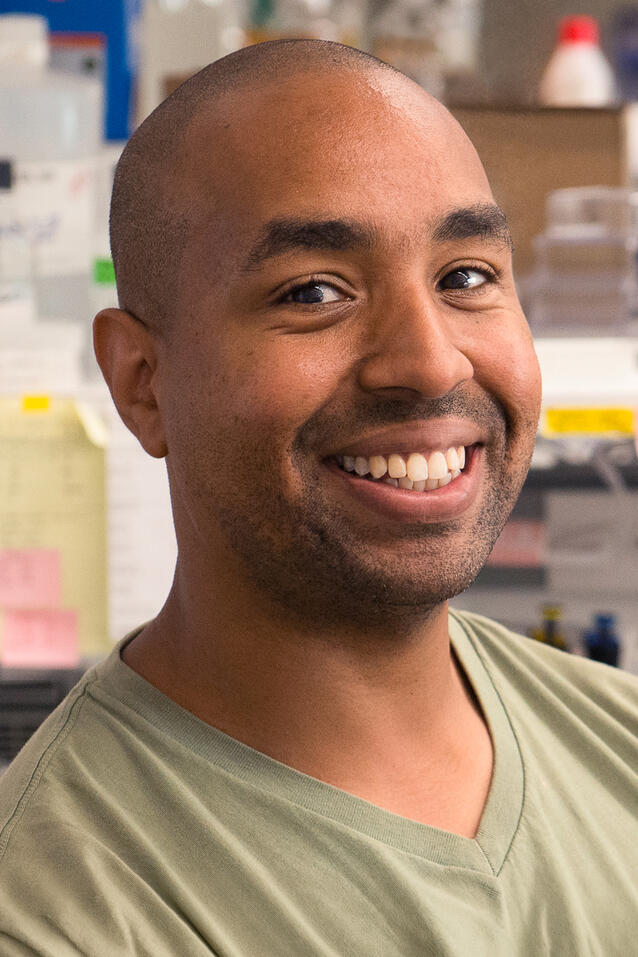
Corey earned his B.S. in Chemistry from Tennessee State University, where a formative summer research experience in Dr. Cori Bargmann’s laboratory at UCSF set him on his scientific path. He went on to complete his PhD in Neuroscience at the Massachusetts Institute of Technology under the mentorship of Dr. Elly Nedivi, followed by a postdoctoral fellowship at UCSF in the laboratory of Dr. Arnold Kriegstein. Corey now leads a diverse team of researchers who are advancing our understanding of neurodevelopment by uncovering how diverse populations of neurons and glia coordinate to assemble precise brain circuitry that is needed for emotional and motivational states.
Research Staff

Sandra Chang
Lab Manager
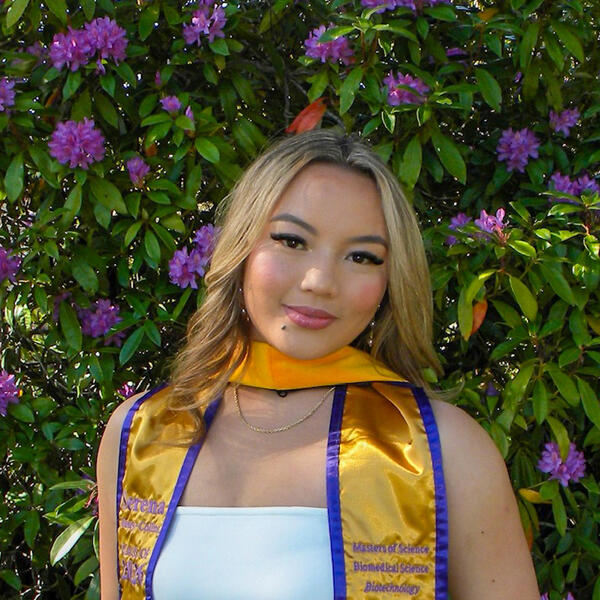
Serena Collins, MS
Associate Specialist
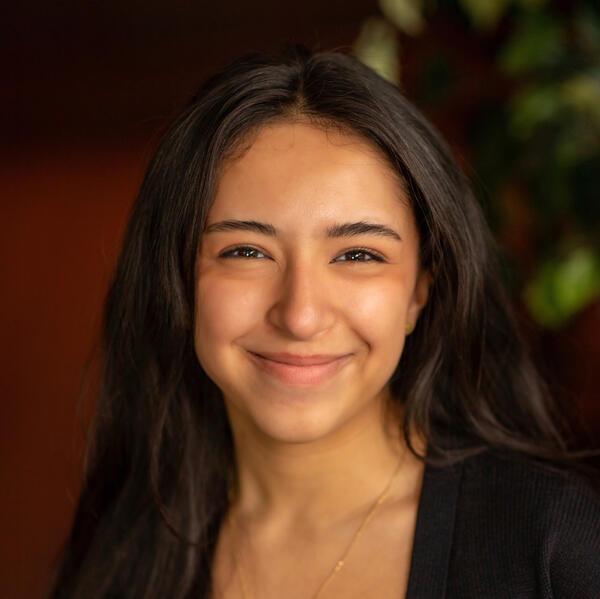
Kirya Caine
Associate Specialist
Postdoctoral Fellows
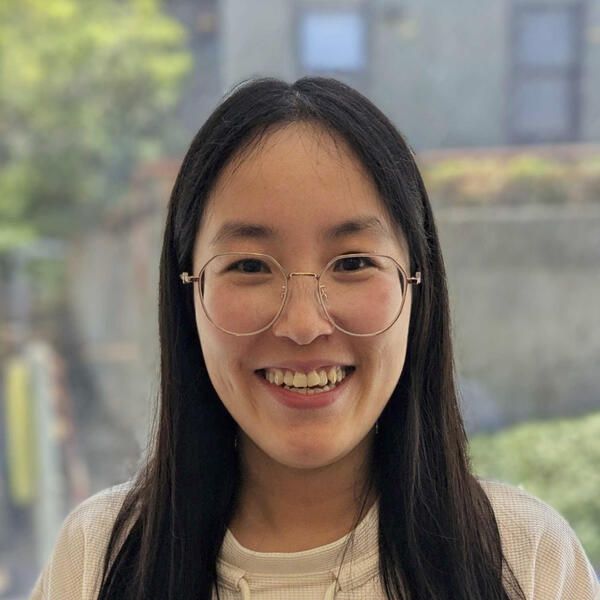
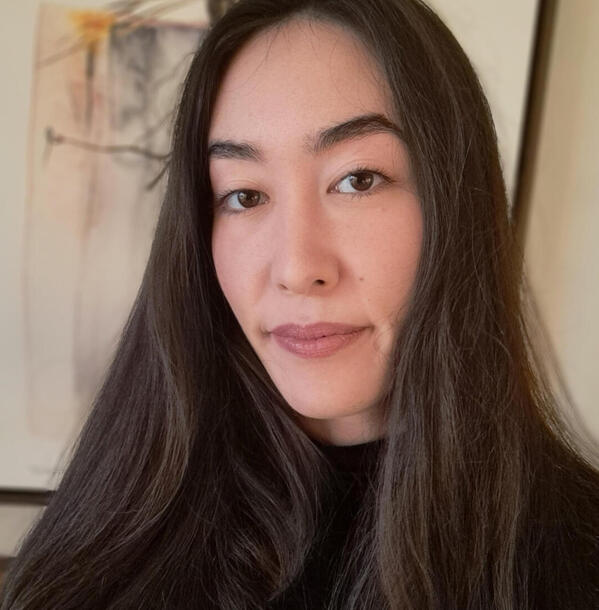
Graduate Students
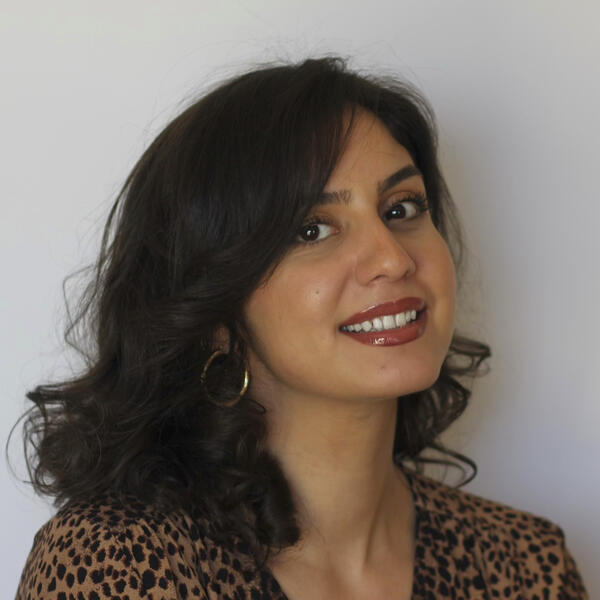
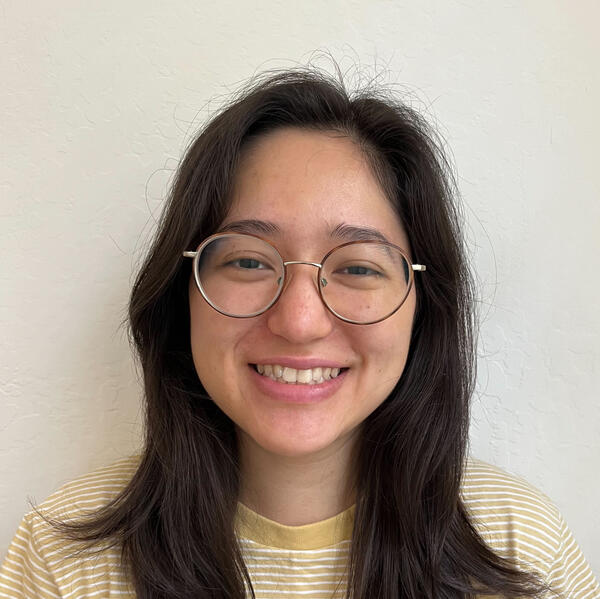
Undergraduate Students
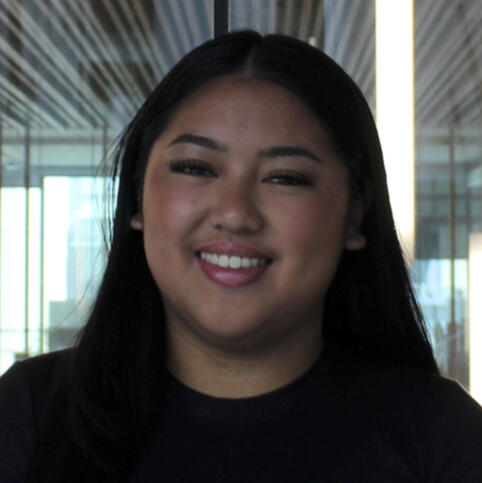
Ania Noguera
UCB Molecular Biology
Lab Alumni
Yajun Xie, postdoc, now a Senior Scientist at Broad Institute
Miguel Turrero Garcia, postdoc, now an Assistant Professor at Texas Tech
Ben Mandzukic, undergraduate, now a medical school student at St. Francis University
Sarah Hanson, research technician / PROPEL, now a graduate student at Cedars Sinai
Melissa Solem, summer research student, now a graduate student at UT Anderson
Christopher Reid, graduate student, now a postdoc at the Whitehead Institute
Jose Manuel Baizabal, postdoc, now an Assistant Professor at Indiana University

HARWELL LAB
Developmental origins of neural circuit assembly
PUBLICATIONS
Please see our complete publication list on PubMed. Below a few selected publications:
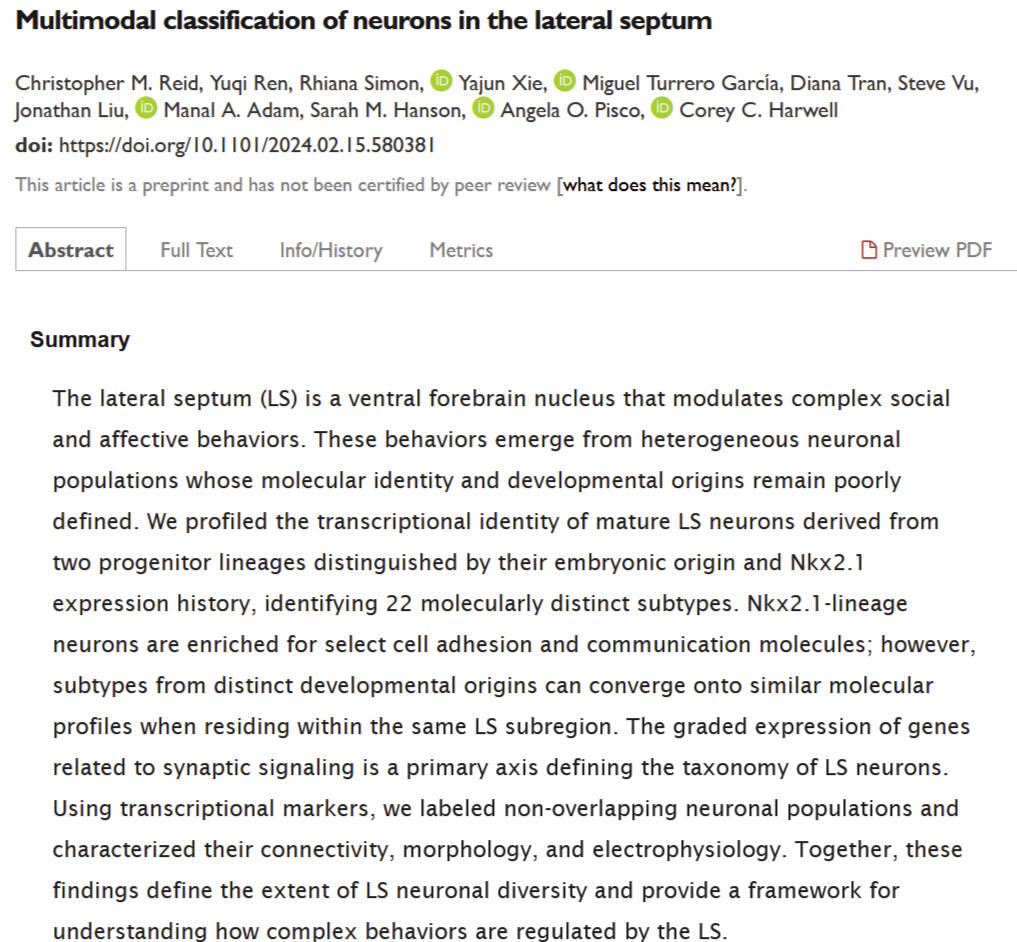
(Preprint) Reid CM, Ren Y, Simon R, Xie Y, Turrero Garcίa M, Tran D, Vu S, Liu J, Adam MA, Hanson SM, Pisco AO, Harwell CC. Multimodal classification of neurons in the lateral septum. bioRxiv [Preprint]. 2026 Jun 9:2024.02.15.580381. doi: 10.1101/2024.02.15.580381. PMID: 42327141; PMCID: PMC13277926.
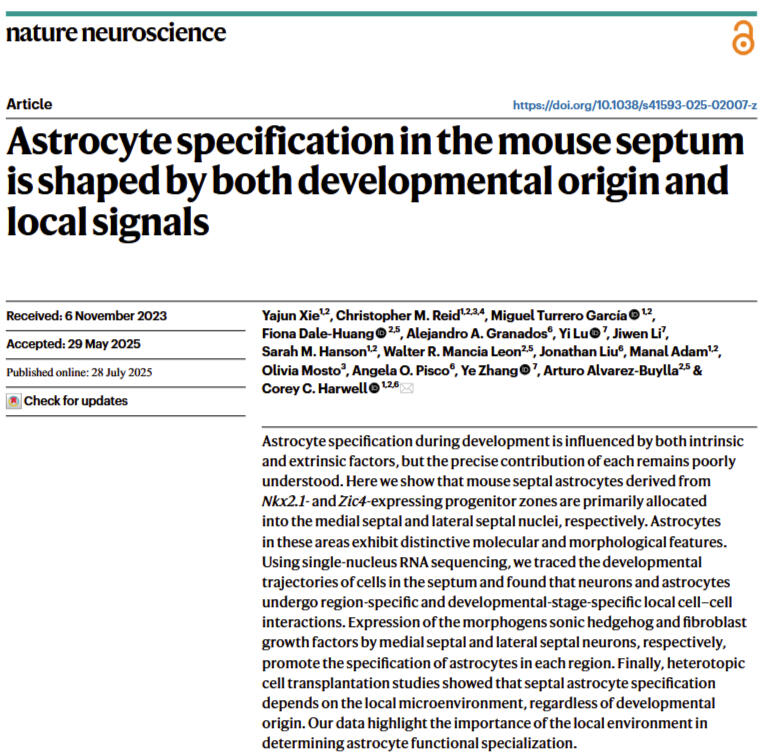
Xie Y, Reid CM, Turrero Garcίa M, Dale-Huang F, Granados AA, Lu Y, Li J, Hanson SM, Mancia Leon WR, Liu J, Adam M, Mosto O, Pisco AO, Zhang Y, Alvarez-Buylla A, Harwell CC. Astrocyte specification in the mouse septum is shaped by both developmental origin and local signals. Nat Neurosci. 2025 Aug;28(8):1676-1687. doi: 10.1038/s41593-025-02007-z. Epub 2025 Jul 28. PMID: 40721676; PMCID: PMC12321577.
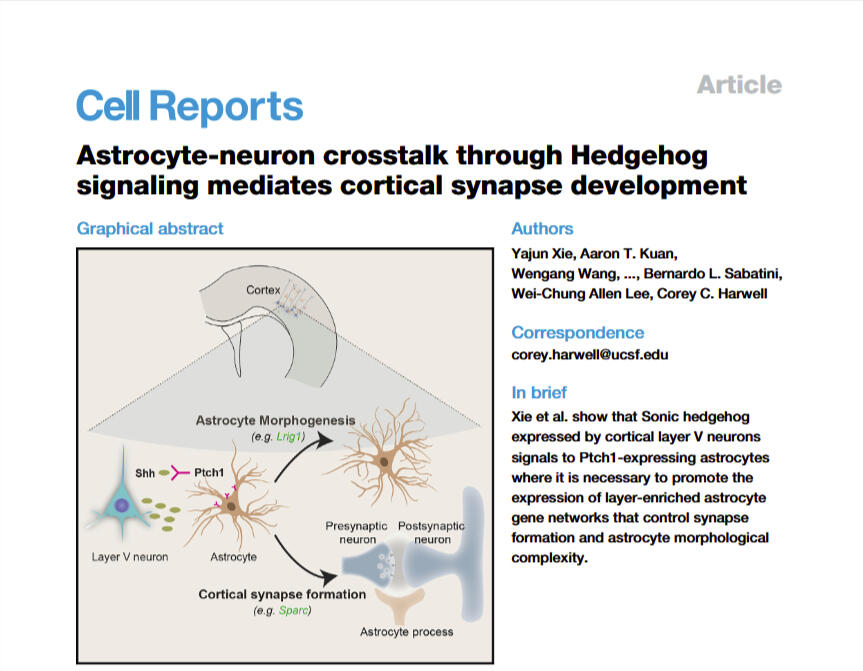
Xie Y, Kuan AT, Wang W, Herbert ZT, Mosto O, Olukoya O, Adam M, Vu S, Kim M, Tran D, Gómez N, Charpentier C, Sorour I, Lacey TE, Tolstorukov MY, Sabatini BL, Lee WA, Harwell CC. Astrocyte-neuron crosstalk through Hedgehog signaling mediates cortical synapse development. Cell Rep. 2022 Feb 22;38(8):110416. doi: 10.1016/j.celrep.2022.110416. PMID: 35196485; PMCID: PMC8962654.
Miguel Turrero García, Sarah K Stegmann, Tiara E Lacey, Christopher M Reid, Sinisa Hrvatin, Caleb Weinreb, Manal A Adam, M Aurel Nagy, Corey C Harwell (2021) Transcriptional profiling of sequentially generated septal neuron fates eLife 10:e71545
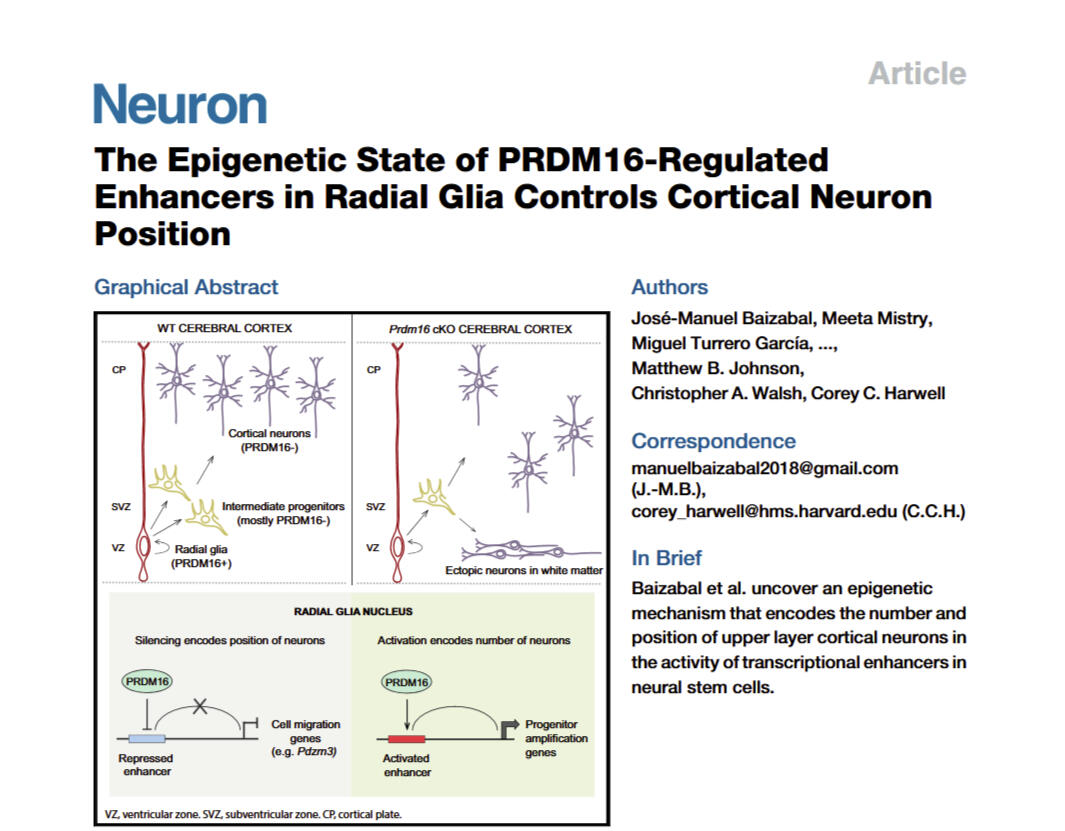
Baizabal JM, Mistry M, García MT, Gómez N, Olukoya O, Tran D, Johnson MB, Walsh CA, Harwell CC. The Epigenetic State of PRDM16-Regulated Enhancers in Radial Glia Controls Cortical Neuron Position. Neuron. 2018 Jun 6;98(5):945-962.e8. doi: 10.1016/j.neuron.2018.04.033. Epub 2018 May 17. Erratum in: Neuron. 2018 Jul 11;99(1):239-241. doi: 10.1016/j.neuron.2018.06.031. PMID: 29779941; PMCID: PMC6667181.

HARWELL LAB
Developmental origins of neural circuit assembly
CONTACT US
If you are interested in joining the lab, please send your CV to the email below. You may also reach out to current members for any inquiries.

HARWELL LAB
Developmental origins of neural circuit assembly
Serena Collins, MS, Associate Specialist
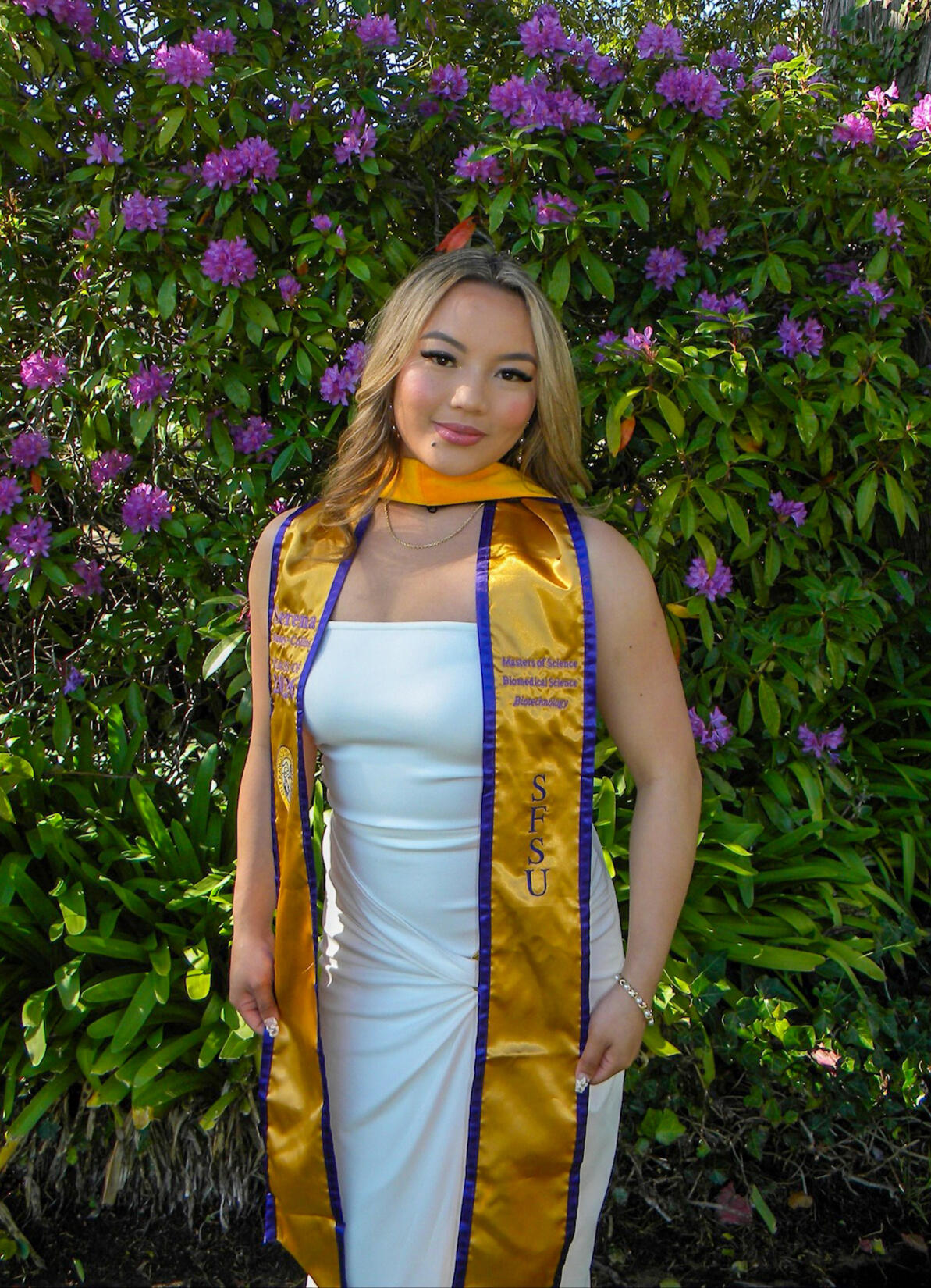
Serena earned her B.S. in Biology from the University of California, Riverside in 2023. During her undergrad, she conducted research on novelty crop under salinity stress conditions at the U.S. Department of Agriculture under the mentorship of Dr. Devinder Sandhu. Serena also pursued a Master of Science in Biomedical Science with a concentration in Biotechnology at San Francisco State University. There, she was awarded the California Institute for Regenerative Medicine (CIRM) Bridges Fellowship, which provided her the opportunity to conduct research at the University of California, San Francisco in the Harwell Lab. Her project focused on investigating the molecular mechanisms of dopaminergic pericellular baskets formation in the lateral septum. Following graduation, Serena will join the Harwell Lab as a full-time research assistant specialist. Outside of the lab, Serena loves to travel, snowboard and take her dogs to the dog park!

HARWELL LAB
Developmental origins of neural circuit assembly
Kirya Caine, Associate Specialist
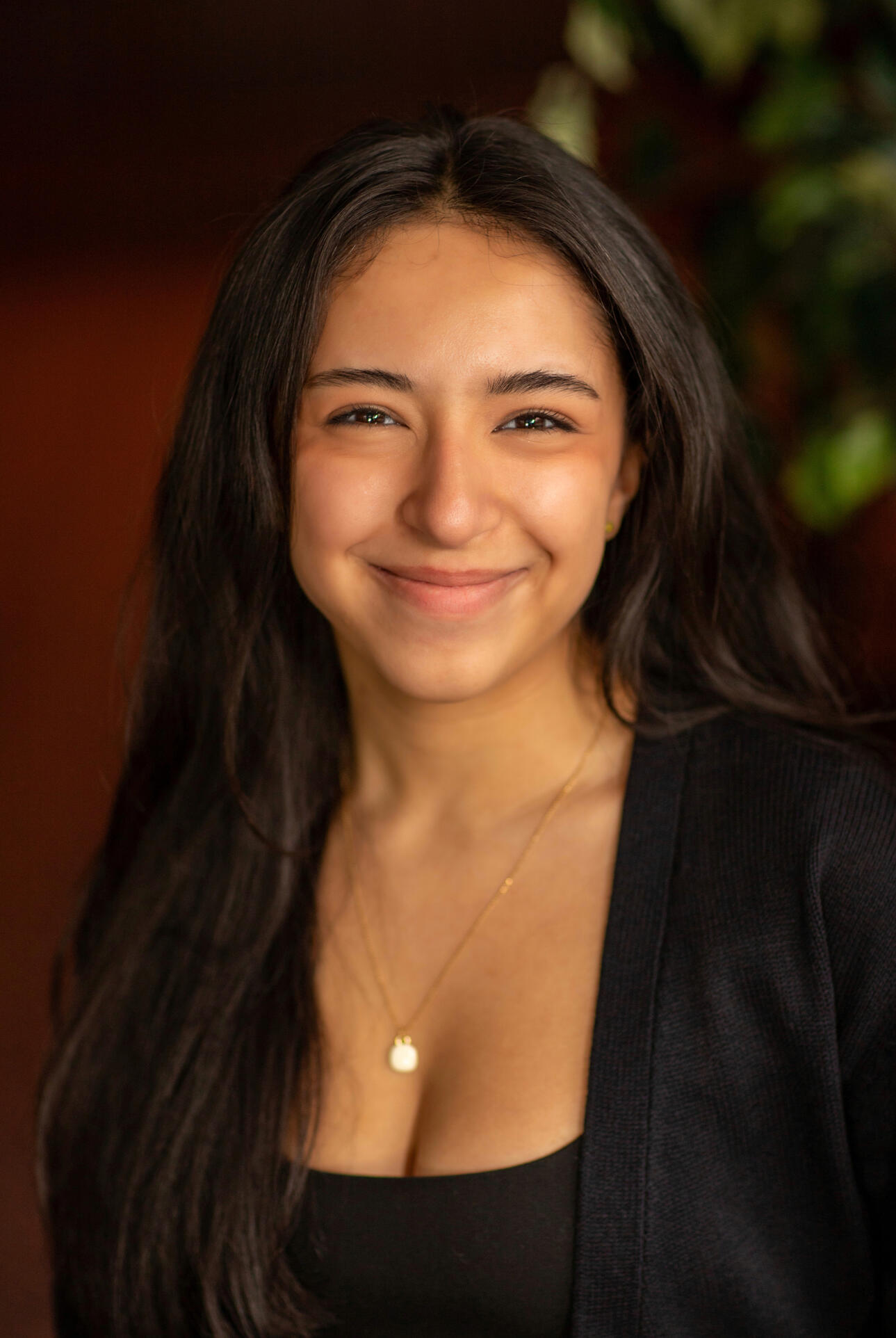
Kirya received her B.S. in Neuroscience from the University of Rochester in 2026. There, she investigated therapeutics in development for cocaine addiction and relapse in the lab of Dr. Jean Bidlack as an IES Brain Research Foundation Fellow. She also proposed and executed an independent project as a Recny Fellow under the mentorship of Dr. Manoela Fogaca, using positive allosteric modulation of the a5-subunit containing GABAA receptor to explore excitation-inhibition imbalance in chronic stress and depression. As a PREP fellow in the Harwell Lab, Kirya looks forward to exploring the development of the lateral septum and how this relates to adaptive behavior. Outside of the lab, Kirya enjoys doing ceramics, playing guitar, and dancing.

HARWELL LAB
Developmental origins of neural circuit assembly
Manni Adam, PhD, Research Specialist
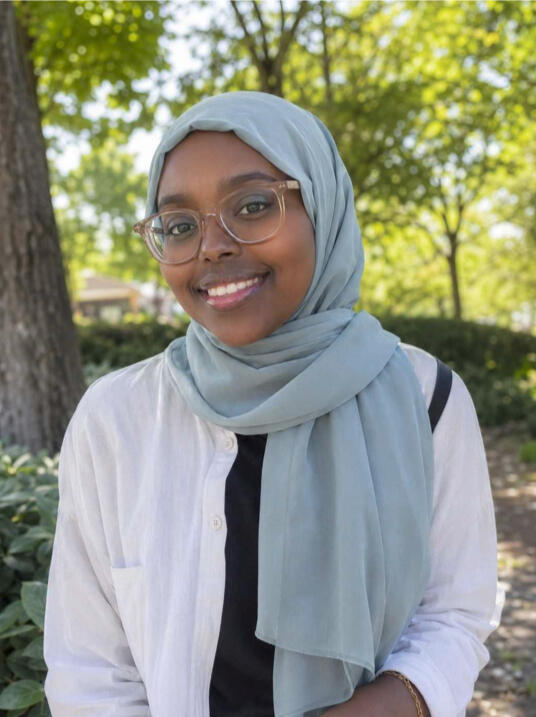
Manni received her B.Sc. in Biological Sciences from Bournemouth University, where she studied epigenetic mechanisms associated with schizophrenia, sparking a long-standing interest in epigenetic regulation and neurodevelopmental disorders. She then completed an M.Sc. in Neuroscience with a specialization in Developmental Neurobiology at King’s College London, where she investigated the role of Teneurin-3 in hippocampal and visual system development in the lab of Dr. Robert Hindges at the MRC Centre for Neurodevelopmental Disorders. Manni completed her Ph.D. at Cardiff University within the MRC Centre for Neuropsychiatric Genetics and Genomics, studying EHMT1-associated neurodevelopmental disorders through mouse models, behavioral assays, cellular approaches, transcriptomics, and computational analysis. In Dr. Harwell’s lab, Manni studies neural development as a problem of regulatory coordination. Her work integrates experimental and computational approaches to understand how chromatin regulation, enhancer activity, transcriptional programs, and RNA processing are coordinated during brain development. Outside of the lab, Manni enjoys live comedy, attending sporting events, and playing competitive video games.

HARWELL LAB
Developmental origins of neural circuit assembly
Yuqi Ren, PhD, Research Specialist
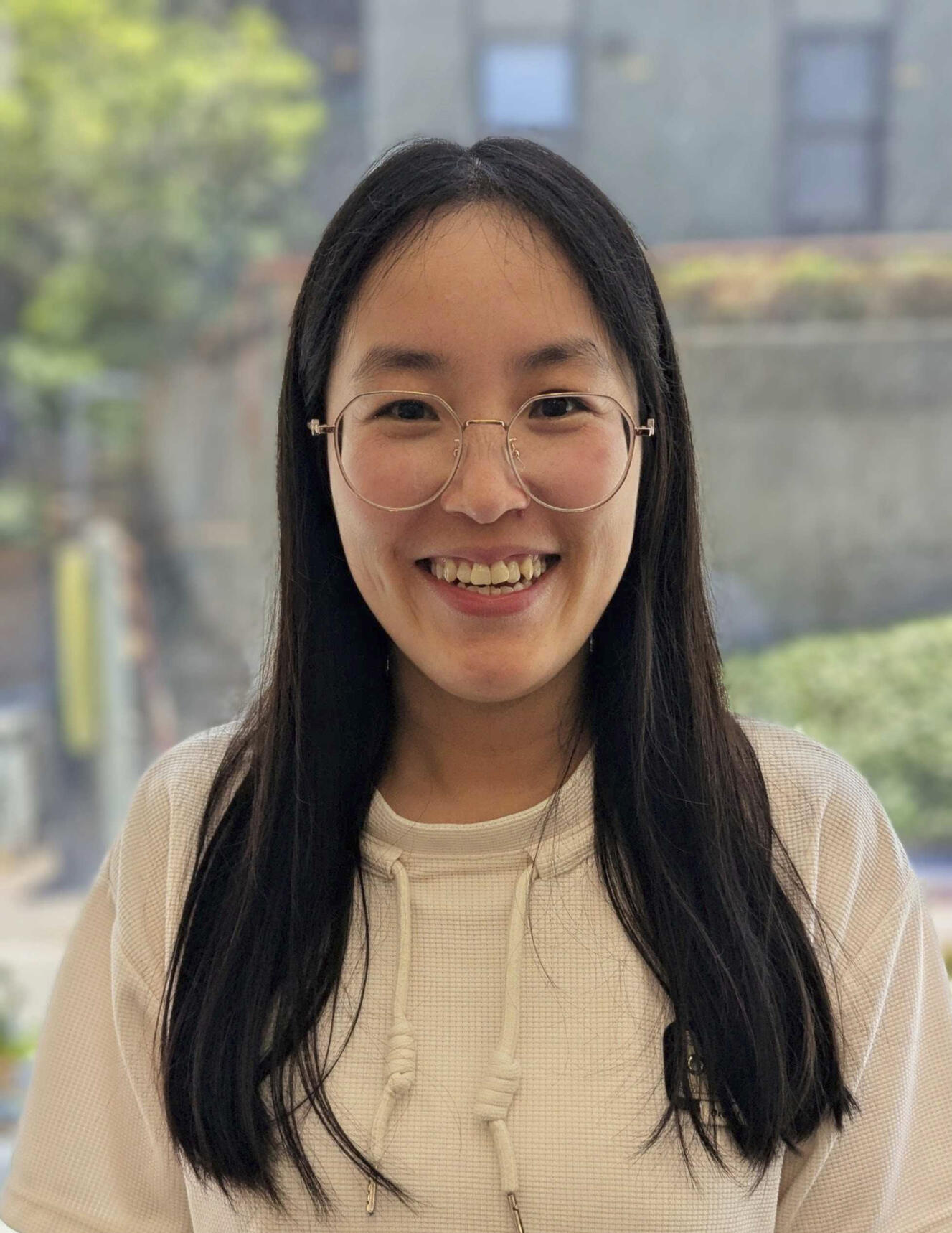
Yuqi received her PhD in neuroscience in 2021 from Peking University-Tsinghua University-National Institute of Biological Sciences Joint Graduate Program (PTN), where she trained under the mentorship of Dr. Minmin Luo. Her doctoral research combined optogenetics and electrophysiology to dissect the cholinergic circuits underlying aversive learning. Yuqi joined the Harwell Lab in 2022 for her postdoctoral training. Her current research focuses on the developmental mechanisms that establish dopaminergic neural circuits and how perturbations during neurodevelopment reshape these circuits to influence adult aversive learning. Outside the lab, Yuqi enjoys hiking, swimming, exploring new foods, watching TV shows, and reading.

HARWELL LAB
Developmental origins of neural circuit assembly
Rhiana C. Simon, PhD, A.P. Giannini Postdoctoral Fellow
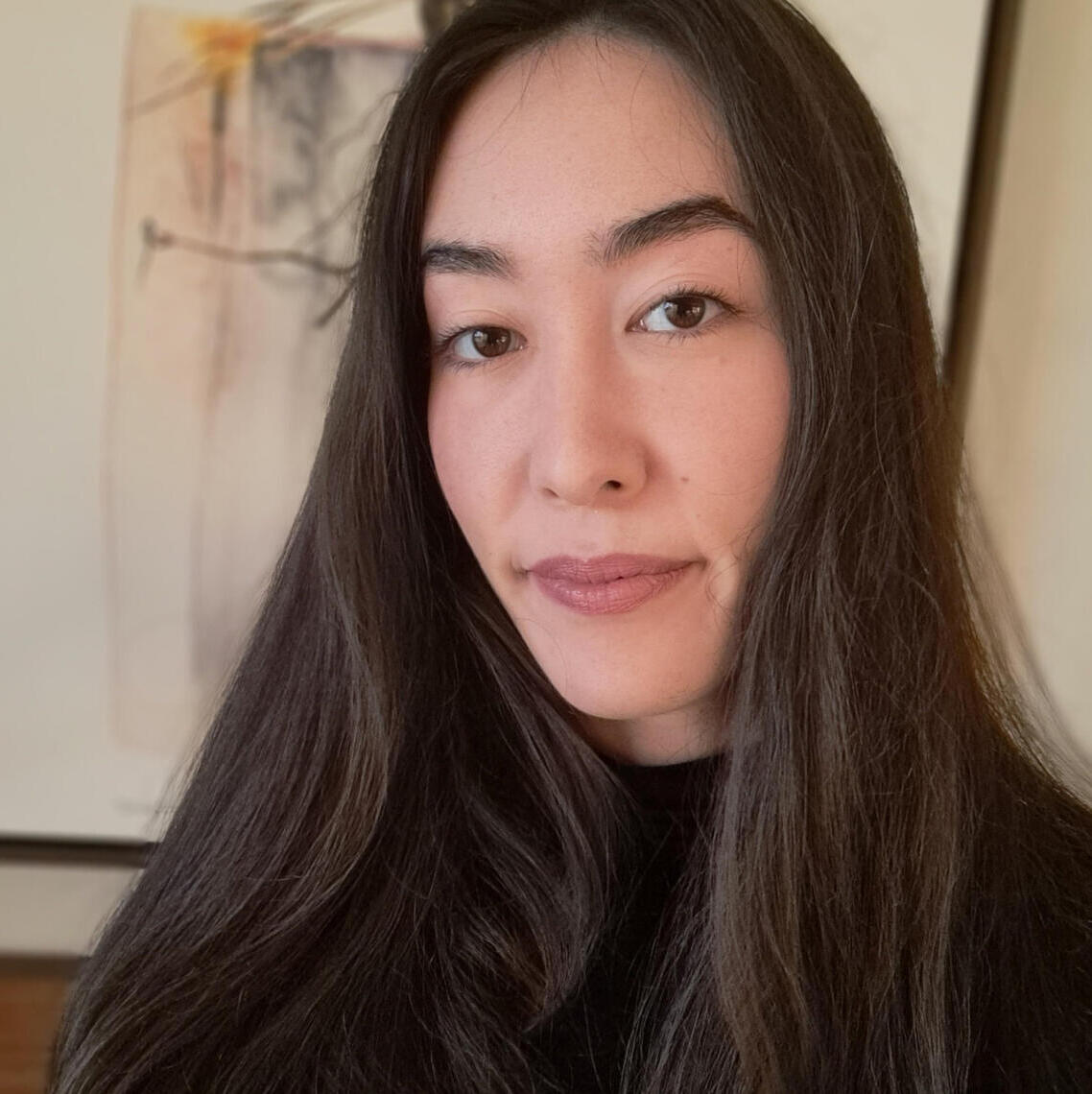
Rhiana received her B.S. in Neuroscience from the University of Alabama at Birmingham in 2016, where she examined the role of non-coding RNAs in neuronal activity under the mentorship of Dr. Jeremy Day. She next received her PhD in Neuroscience from the University of Washington. There, she was trained by Dr. Garret Stuber in the utilization of single-cell RNA sequencing and neurocircuit tools to critically dissect the neural substrates of opioid use disorder. In Dr. Harwell's lab, she is currently interested in understanding the role of endogenous opioids in neurodevelopment, and how opioid drugs like fentanyl reshape developing neurocircuitry to ultimately disrupt adult behavior. Outside of the lab, Rhiana enjoys going to live shows, reptile keeping, and spending way too much on coffee.

HARWELL LAB
Developmental origins of neural circuit assembly
Tayma Handal, CIRM Scholar, UCSF DSCB Program PhD Candidate
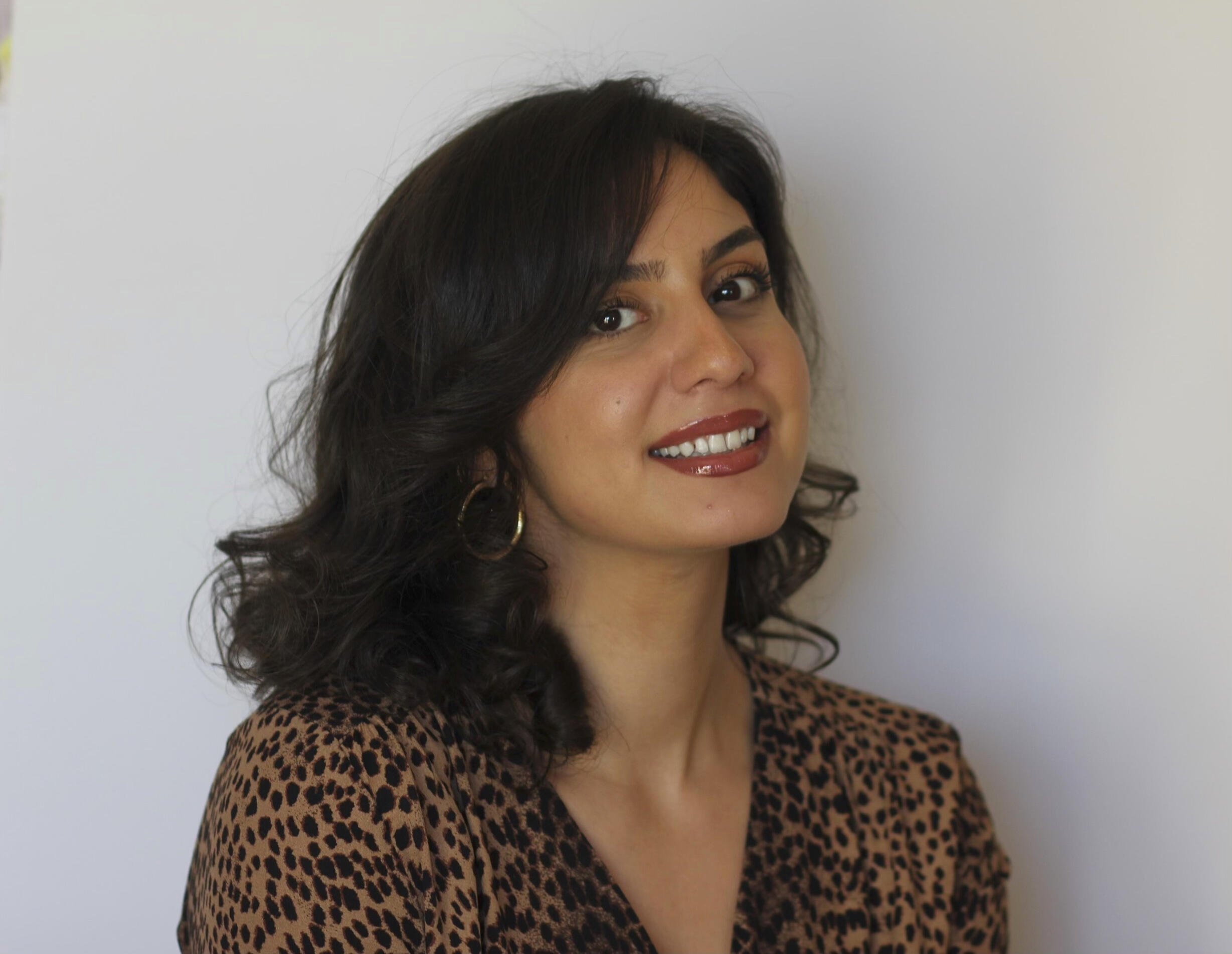
Tayma earned her B.S. in Biotechnology from Hadassah Academic College in 2019 and her M.S. in Human Genetics from the Hebrew University of Jerusalem in 2022. During her undergraduate and master's training, she studied the epigenetic mechanisms underlying Myotonic Dystrophy Type I and their propagation through cellular differentiation. Using CRISPR engineering and in-vitro human cell modeling she discovered a core biological mechanism of repeat expansion in DM1 disease pathogenesis. In 2024, she joined the Harwell Lab as a graduate student in the DSCB program at UCSF as a Curci Scholar. In 2025 Tayma was awarded the CIRM graduate scholarship. Her current research focuses on the genetic and epigenetic programs that regulate neuronal cell fate. She is particularly focusing on PRDM16’s role in lineage progression and cell fate specification in the lateral septum. Outside the lab, Tayma enjoys reading, exploring new neighborhoods in the city, and spending time with her cat, Zeituna.

HARWELL LAB
Developmental origins of neural circuit assembly
Fiona Dale-Huang, PhD Candidate in the UCSF Neuroscience Program
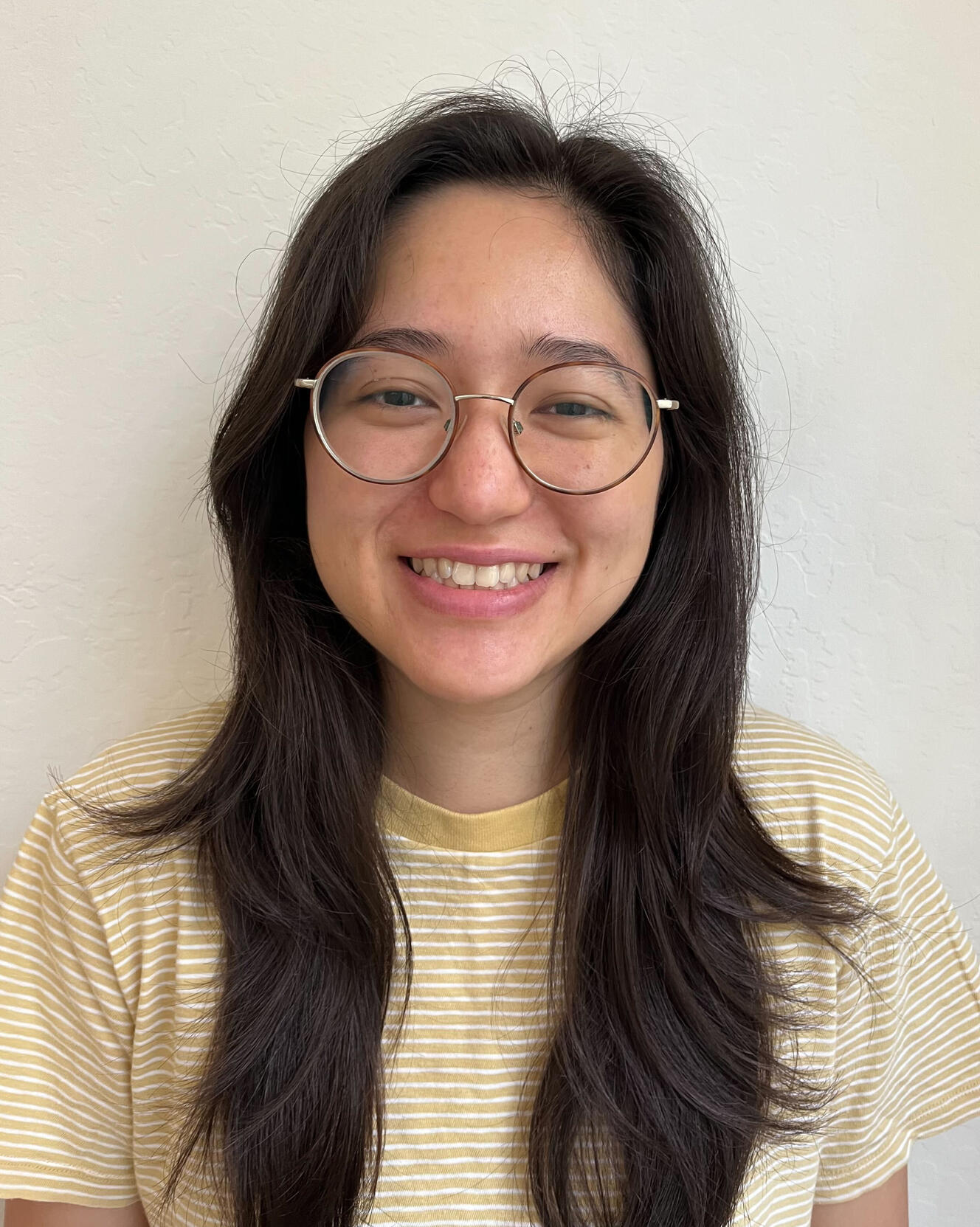
Fiona received her B.S. in Biological Sciences from the University of California, Davis in 2021. There she studied salinity tolerance of almond and pistachio trees in the Georgia Drakakaki lab, and maternal immune activation and its impact on postnatal neuropathology and behavior in the Kimberly McAllister lab. She also spent her summers studying the role of microglia in the transition from acute to chronic complex regional pain syndrome in the Vivianne Tawfik lab at Stanford University. After graduating from UC Davis, Fiona joined the Arturo Alvarez-Buylla lab at UCSF as a lab technician. While there, she studied the development of a unique subtype of ependymal cell in the lateral walls of the lateral ventricle and their potential role in the brain. As a graduate student in the Harwell Lab, Fiona now studies the mechanisms driving astrocyte regional specialization in the septum and how this affects synapse development. Outside of the lab, Fiona likes to crochet, go for a hike, and play with her dog Sprout.

HARWELL LAB
Developmental origins of neural circuit assembly
Ania Noguera, UC Berkeley undergraduate student
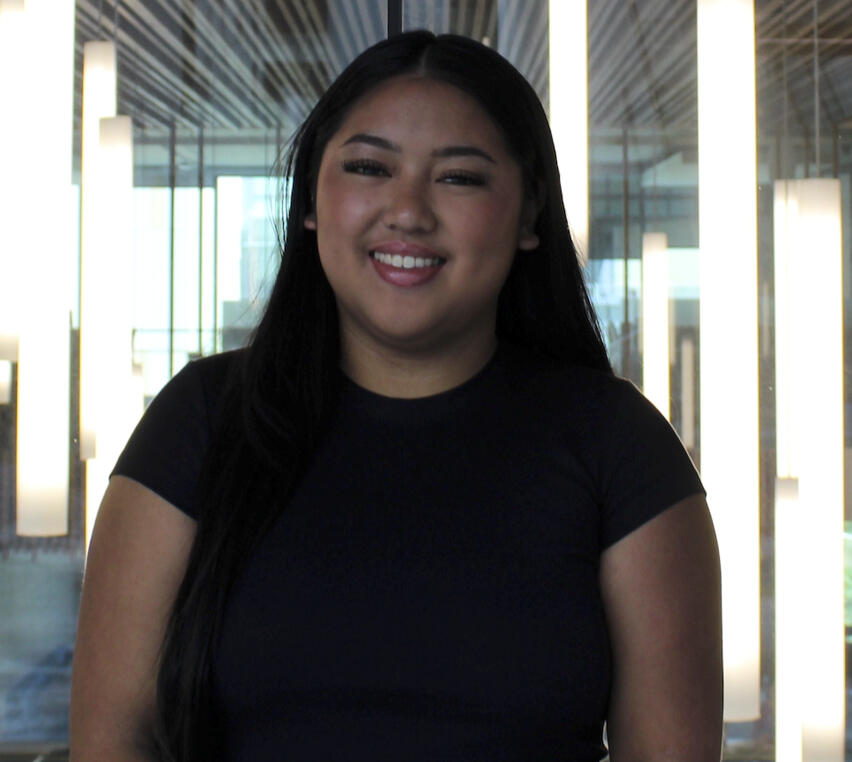
Ania is a fourth-year undergraduate at the University of California, Berkeley studying Molecular Cell Biology and Public Health. She joined the Harwell Lab as a summer student in 2024 under the mentorship of Dr. Yuqi Ren where she investigated the formation of dopaminergic circuits in the septal nucleus. She later joined the Fame Lab at Stanford University, where she studied antioxidative mechanisms in the choroid plexus–cerebrospinal fluid system during neurodevelopment under the mentorship of Dr. Luqing Liu. She has since returned to the Harwell Lab to continue studying how perturbations during neurodevelopment reshape dopaminergic circuits and influence adult aversive learning. Outside of the lab, Ania enjoys cooking cultural foods, weightlifting, and playing guitar.

HARWELL LAB
Developmental origins of neural circuit assembly
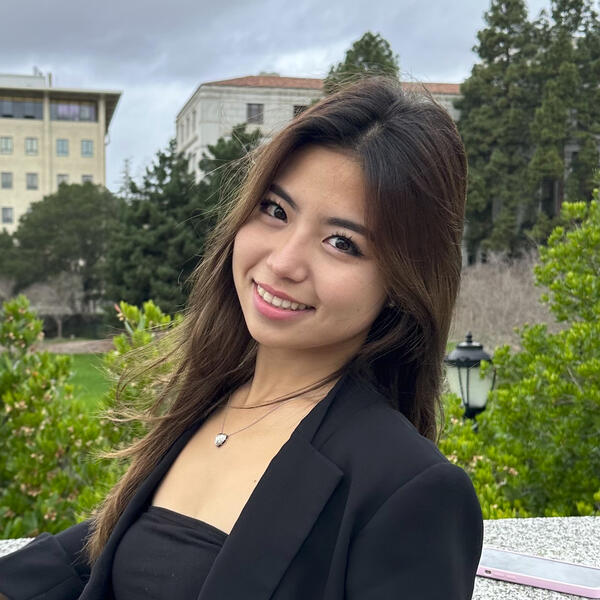
Muse Choi, UC Berkeley undergraduate student
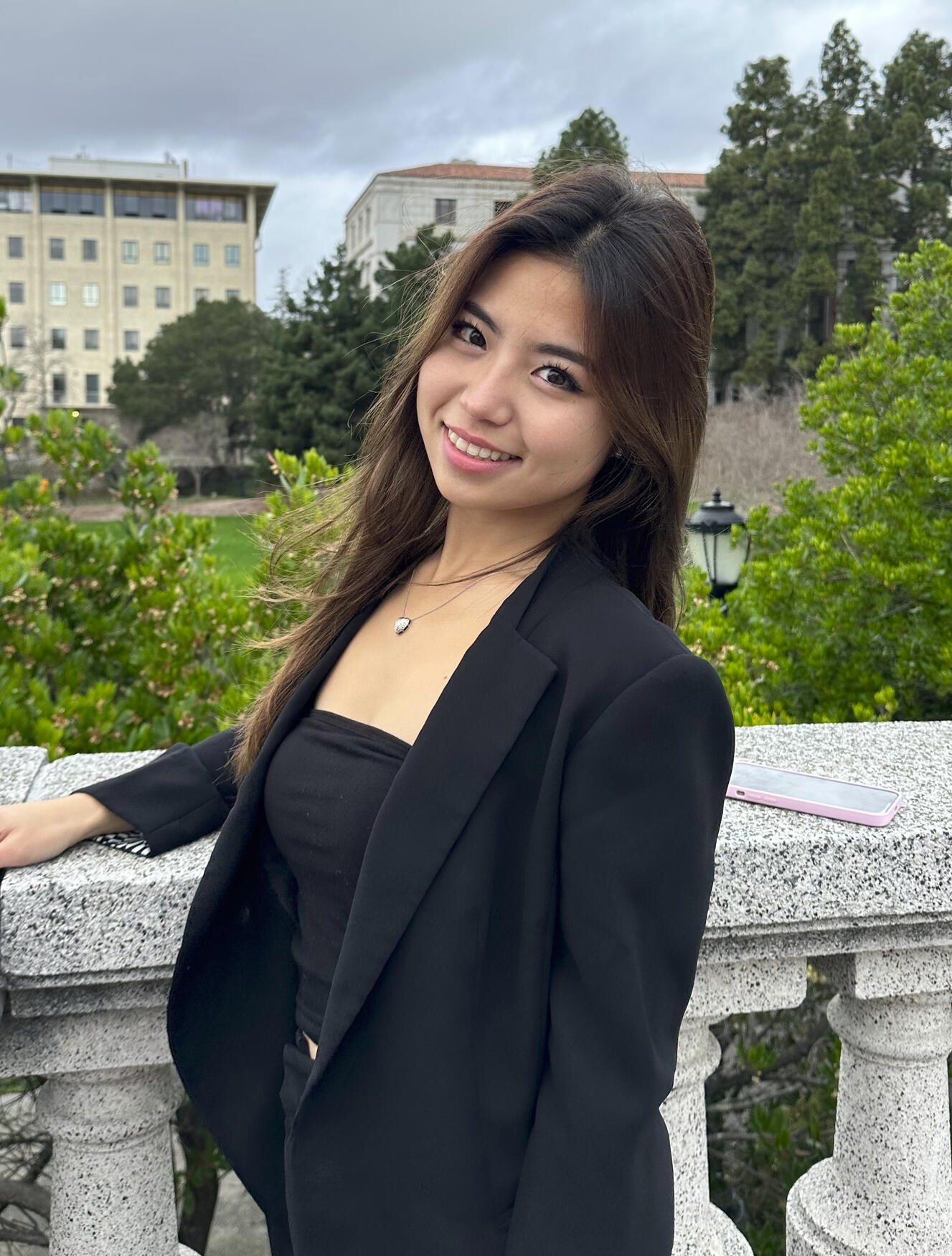
Muse is an undergraduate student at the University of California, Berkeley, studying Microbial Biology. During the academic year, she mentors young learners in science experiments, assists in procedures at a reproductive medicine clinic, and instructs a course for pre-medical students at UC Berkeley. In the Harwell Lab, she works under the mentorship of Rhiana to investigate how opioid exposure during development influences neurological and behavioral outcomes. She is passionate about gaining meaningful research experience that will prepare her to integrate scientific discovery with patient care throughout her future career. Beyond the lab, Muse enjoys playing the piano, hiking with her four dogs, and traveling with her friends and family.